Rwanda's Vision 2050
Rwanda has emerged as one of Africa's most remarkable infrastructure success stories, demonstrating how strategic planning, visionary leadership, and sustained investment can transform a nation's economic and social landscape. Over the past two decades, the country has embarked on an ambitious development journey characterized by significant investments in transportation networks, water supply systems, airports, energy infrastructure, housing developments, industrial parks, logistics facilities, and digital governance platforms. These transformative investments have not only enhanced national connectivity and improved access to essential services but have also strengthened Rwanda's competitiveness as a regional hub for trade, innovation, tourism, and investment.
From modern highways that connect rural communities to urban economic centers, to advanced water treatment facilities that improve public health outcomes, Rwanda's infrastructure agenda has become a cornerstone of its long-term development strategy. Major projects in transportation, aviation, energy, and urban development are creating the physical foundation required to support industrialization, stimulate private sector growth, attract foreign direct investment, and facilitate regional integration within East Africa and beyond. As a result, infrastructure is no longer viewed merely as a collection of construction projects but as a strategic enabler of economic resilience, productivity, and sustainable development.
At the heart of this transformation are the engineers, procurement specialists, project managers, contractors, manufacturers, consultants, investors, and policymakers who are responsible for planning, designing, financing, and delivering the systems that drive national progress. Their collective efforts are shaping the next chapter of Rwanda's development story by ensuring that infrastructure projects are not only technically sound but also economically viable, environmentally sustainable, and socially impactful.
In today's increasingly complex and interconnected business environment, technical expertise alone is no longer sufficient. Success requires a comprehensive understanding of how engineering excellence intersects with procurement modernization, supply-chain resilience, risk management, digital transformation, sustainability, and innovation. The rapid adoption of technologies such as Building Information Modeling (BIM), Geographic Information Systems (GIS), artificial intelligence, drones, data analytics, and smart infrastructure solutions is fundamentally changing how projects are conceived, executed, and managed. Professionals who embrace these advancements and develop multidisciplinary capabilities will be best positioned to lead the future of infrastructure development.
As Rwanda continues to pursue its Vision 2050 ambitions, the demand for innovative thinking, efficient project delivery, strategic procurement practices, and resilient infrastructure systems will only increase. Understanding these evolving dynamics has become essential for engineering and infrastructure professionals seeking to remain competitive, create lasting value, and contribute meaningfully to one of Africa's most ambitious and inspiring development journeys.
151 KM
National Road Infrastructure Recently Upgraded
40M
Litres of Water Delivered Daily
500,000+
Citizens Benefiting from Water Projects
Vision 2050
Long-Term Development Blueprint
"Engineering is no longer solely about designing structures, constructing roads, or delivering physical assets. In the modern era, engineering has evolved into the science and practice of creating resilient, efficient, and sustainable systems that address complex societal challenges and improve the quality of life for entire communities. Every bridge, water treatment facility, power network, transportation corridor, industrial plant, and digital infrastructure platform forms part of a larger ecosystem that supports economic activity, enhances public services, and strengthens national development.
Today's engineers are tasked not only with solving technical problems but also with developing solutions that can withstand environmental pressures, adapt to changing technologies, support population growth, and deliver long-term value. Whether designing climate-resilient infrastructure, integrating renewable energy systems, improving urban mobility, or optimizing industrial supply chains, engineers play a critical role in shaping how societies function and prosper.
As global challenges such as urbanization, climate change, resource scarcity, and digital transformation continue to redefine development priorities, the engineering profession has become increasingly focused on sustainability, innovation, and resilience. The true measure of engineering success is no longer simply the completion of a project, but the lasting positive impact it creates—improving lives, enabling economic growth, protecting the environment, and building stronger, more prosperous communities for future generations."
Why Infrastructure Matters
Infrastructure serves as the backbone of national development and acts as the foundation upon which economic growth, social progress, and industrial transformation are built. It encompasses the interconnected systems that enable people, businesses, and governments to function efficiently, including transportation networks, energy systems, water and sanitation facilities, telecommunications infrastructure, logistics corridors, and public service facilities. Without reliable infrastructure, economic activity becomes constrained, investment opportunities diminish, and the delivery of essential services becomes increasingly challenging.
Efficient transportation infrastructure, including roads, bridges, airports, and logistics hubs, plays a critical role in connecting producers to markets, reducing travel times, lowering transportation costs, and facilitating both domestic and international trade. By improving the movement of goods, services, and people, modern transportation networks enhance productivity, strengthen supply chains, and support regional economic integration.
Reliable and affordable energy infrastructure is equally important in driving industrial growth and economic competitiveness. Industries, manufacturing facilities, hospitals, schools, and commercial enterprises depend on stable power supplies to operate effectively. Investments in electricity generation, transmission, and renewable energy technologies not only improve energy security but also create opportunities for innovation, entrepreneurship, and sustainable economic development.
Modern water and sanitation systems contribute significantly to public health, environmental protection, and overall quality of life. Access to clean water reduces the prevalence of waterborne diseases, supports agricultural productivity, and enables communities to thrive. Well-designed water infrastructure also strengthens resilience against climate-related challenges and supports long-term urban development.
Beyond their direct economic and social benefits, infrastructure investments create a multiplier effect throughout the economy. They attract private investment, stimulate business growth, generate employment opportunities, encourage technological advancement, and improve a country's ability to compete in regional and global markets. As nations pursue sustainable development goals and long-term economic transformation, infrastructure remains one of the most powerful tools for unlocking growth, enhancing prosperity, and creating opportunities for future generations.
Landmark Infrastructure Projects
Rugerero Model Village
The Rugerero Model Village stands as a flagship example of Rwanda's commitment to inclusive and sustainable community development, demonstrating how integrated infrastructure planning can improve quality of life while fostering long-term socio-economic growth. Designed as more than just a housing project, the initiative brings together modern residential facilities, educational institutions, healthcare services, clean water and sanitation systems, reliable energy access, road connectivity, and essential social amenities within a single, well-planned community.
By combining these critical elements, the project creates a holistic living environment that supports the well-being, productivity, and resilience of its residents. The village reflects a forward-thinking approach to urban and rural development, where infrastructure is strategically designed to promote social cohesion, improve access to public services, enhance economic opportunities, and reduce inequalities.
Beyond providing safe and affordable housing, the project contributes to community empowerment by creating an environment where families can access education, healthcare, employment opportunities, and public services more efficiently. As Rwanda continues to pursue its Vision 2050 objectives, the Rugerero Model Village serves as a powerful demonstration of how integrated infrastructure investments can drive sustainable development, strengthen local communities, and create a model for future residential and social development projects across the country and the wider region.
151 KM Road Network Upgrade
Strategic road improvements are being carefully planned and implemented with the overarching goal of strengthening vital trade corridors, enhancing mobility for both people and goods, and improving regional connectivity across key economic zones. These initiatives not only aim to reduce travel time and transportation costs but also foster greater integration between urban centers and rural communities, thereby stimulating commerce, supporting local industries, and encouraging investment.
By modernizing infrastructure and creating more efficient routes, the projects contribute to safer travel, increased accessibility to markets, and a stronger foundation for sustainable economic growth, ultimately positioning the region as a more competitive and interconnected hub for trade and development.
Kigali Bulk Water Project
A major Public-Private Partnership (PPP) initiative is being launched with a strong focus on providing sustainable and reliable water access to meet the needs of Kigali’s rapidly growing urban population. This project is designed not only to expand infrastructure and improve distribution networks but also to ensure long-term resilience through modern technologies, efficient resource management, and environmentally conscious practices.
By leveraging private sector investment alongside public oversight, the initiative aims to deliver affordable, high-quality water services, reduce shortages, and strengthen the city’s capacity to support future growth. Ultimately, this effort will enhance the quality of life for residents, promote public health, and contribute to Kigali’s vision of becoming a model for sustainable urban development in the region.
Bugesera International Airport
One of East Africa’s largest aviation projects is currently underway, and it is expected to dramatically transform regional connectivity and logistics capacity by establishing Kigali as a central hub for air transport and trade. This ambitious development is designed to increase passenger and cargo handling efficiency, reduce transit times, and open new routes that link Rwanda more directly with international markets.
By integrating modern infrastructure, advanced technology, and sustainable practices, the project will not only strengthen the aviation sector but also stimulate economic growth, attract foreign investment, and create new opportunities for businesses and communities across the region. Ultimately, this initiative positions East Africa as a more competitive player in global logistics, while ensuring that Kigali becomes a gateway for commerce, tourism, and innovation.
Case Study: Kigali Bulk Water Supply Project
The Kigali Bulk Water Supply Project stands as a landmark example of how public-private partnerships can effectively tackle complex urban infrastructure challenges in a rapidly growing city. Conceived to address the rising demand for clean and reliable water, the initiative integrates advanced treatment technologies with innovative long-term financing models and proven operational expertise.
By combining the strengths of both public oversight and private sector efficiency, the project ensures not only the delivery of sustainable water services but also the resilience of supply systems against future pressures. Beyond its technical achievements, the project demonstrates a forward-looking approach to urban development—one that safeguards public health, supports economic growth, and reinforces Kigali’s vision of becoming a modern, sustainable, and well-connected city.
Digital Procurement Revolution
Digital procurement systems are revolutionizing the way governments, contractors, suppliers, and consultants collaborate throughout the entire project lifecycle. By shifting from traditional paper-based processes to streamlined electronic platforms, these systems create a more transparent environment where tender opportunities are openly accessible and evaluation criteria are clearly defined.
Electronic tendering not only reduces administrative burdens and operational costs but also accelerates decision-making by enabling faster submissions, automated compliance checks, and real-time communication between stakeholders. Beyond efficiency, these platforms strengthen accountability, minimize risks of corruption, and foster fair competition, ultimately ensuring that infrastructure projects are delivered with greater integrity, speed, and value for money.
| Traditional Procurement | Digital Procurement |
|---|---|
| Paper-Based Submissions | Electronic Tender Platforms |
| Limited Transparency | Real-Time Visibility |
| Manual Evaluation | Automated Workflows |
| Slow Communication | Instant Notifications |
Engineering Design Excellence
Modern infrastructure projects increasingly demand multidisciplinary collaboration, bringing together civil engineers, electrical engineers, mechanical engineers, environmental specialists, and digital technology experts to work in close coordination. This integrated approach ensures that projects are not only structurally sound and technically advanced but also environmentally responsible and digitally optimized.
Civil engineers provide the foundation and design, electrical and mechanical engineers contribute systems that power and sustain operations, while environmental specialists safeguard ecological balance and compliance with sustainability standards. At the same time, digital technology experts introduce smart solutions such as data-driven monitoring, automation, and advanced modeling tools that enhance efficiency and resilience.
By combining these diverse areas of expertise, infrastructure projects are delivered with greater durability, adaptability, and long-term value, ultimately shaping modern cities and regions into more sustainable and future-ready environments.
Supply Chains & Local Manufacturing
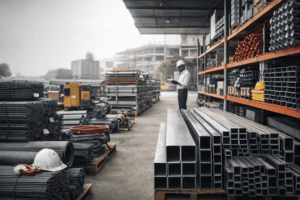
Supply chain resilience has become a decisive factor in determining the overall success of modern infrastructure and development projects. The consistent availability of materials, the efficiency of logistics operations, the rigor of quality assurance processes, and the reliability of suppliers all directly influence project costs, schedules, and final outcomes. When supply chains are robust, projects can withstand disruptions such as market fluctuations, transportation delays, or geopolitical challenges, ensuring continuity and minimizing risks.
Conversely, weak supply chains often lead to cost overruns, missed deadlines, and compromised quality. By prioritizing resilience—through diversified sourcing, advanced tracking systems, and strong supplier partnerships—project managers can safeguard delivery timelines, optimize budgets, and achieve sustainable results that meet both client expectations and long-term operational goals.
Workforce Development
The future of engineering rests on a foundation of continuous learning, technical education, professional certification, and the rapid development of digital skills that align with evolving global standards. As infrastructure and technology become more complex, engineers must adapt by embracing lifelong training, mastering new tools, and staying current with industry innovations.
Rwanda’s significant investment in Technical and Vocational Education and Training (TVET), alongside professional development programs, is cultivating a new generation of highly skilled engineers equipped to meet both local and international demands.
By combining classroom instruction with hands-on experience, and integrating digital competencies such as data analysis, automation, and smart design, these initiatives are strengthening the country’s engineering workforce. This commitment not only enhances project quality and resilience but also positions Rwanda as a regional leader in sustainable development and technological advancement.
Digital Engineering & BIM
Building Information Modeling (BIM), Artificial Intelligence (AI), Geographic Information Systems (GIS), drones, Internet of Things (IoT) technologies, and advanced data analytics are fundamentally reshaping the way infrastructure projects are conceived, planned, designed, constructed, and maintained.
These digital innovations enable engineers and project managers to visualize complex designs in real time, predict potential risks before they occur, and optimize resource allocation with unprecedented accuracy. Drones provide aerial insights for surveying and monitoring, IoT sensors deliver continuous performance data from construction sites and completed assets, while AI and analytics transform raw information into actionable intelligence that drives efficiency and sustainability.
Together, these tools foster greater collaboration among multidisciplinary teams, reduce costs and delays, and ensure that projects are not only resilient and efficient but also adaptable to future demands. By integrating technology at every stage of the lifecycle, modern infrastructure development is becoming smarter, safer, and more responsive to the needs of growing communities.
Future Opportunities for Engineers
The next decade presents unprecedented opportunities for engineers, as global and regional priorities converge around infrastructure expansion, renewable energy investments, industrial development, smart city initiatives, and digital transformation. These ambitious undertakings will demand professionals who not only possess deep technical expertise but also the ability to think strategically, adapt to emerging technologies, and integrate sustainability into every stage of project delivery.
Engineers will be called upon to design resilient transport networks, harness clean energy solutions, modernize industrial systems, and embed digital intelligence into urban environments, creating smarter and more efficient cities. In Rwanda and across East Africa, this momentum is already visible, with governments and private partners investing heavily in transformative projects that require multidisciplinary collaboration and forward-looking leadership. As a result, the engineering profession is evolving into a dynamic force that shapes economies, empowers communities, and drives innovation for a more sustainable future.
Sustainable Infrastructure
Sustainable engineering represents a holistic approach that balances economic growth, environmental protection, and social inclusion, ensuring that development projects create long-term value for both people and the planet. Climate-resilient infrastructure is increasingly prioritized to withstand extreme weather events and safeguard communities, while renewable energy systems are being integrated to reduce dependence on fossil fuels and promote cleaner, more efficient power generation.
At the same time, green procurement practices are reshaping supply chains by encouraging the use of eco-friendly materials, ethical sourcing, and lifecycle cost analysis that emphasizes durability and reduced environmental impact. Together, these elements form the backbone of modern development strategies, enabling engineers and policymakers to deliver projects that drive prosperity, protect ecosystems, and foster inclusive growth for present and future generations.
Partner with FYIRWA TRADING Ltd
FYIRWA Trading Ltd plays a pivotal role in advancing Rwanda’s infrastructure development, promoting engineering excellence, and driving industrial growth across the wider East African region. With a strong reputation for reliability and quality, the company supplies a diverse range of high-performance engineering materials, durable industrial equipment, and innovative construction solutions tailored to meet the evolving needs of contractors, developers, and public institutions.
Its procurement support services go beyond simple supply, offering streamlined processes that strengthen project execution by ensuring timely access to critical resources, reducing operational costs, and enhancing supply chain efficiency. By combining technical expertise with customer-focused service, FYIRWA Trading Ltd empowers engineers, builders, and industrial leaders to deliver projects that are resilient, efficient, and sustainable.
More than just a supplier, the company positions itself as a trusted partner in Rwanda’s journey toward sustainable urbanization, industrial modernization, and economic competitiveness, contributing to a future where infrastructure and industry serve as engines of national progress.
Get In Touch